Health and Safety Policy for Removal Companies Catford
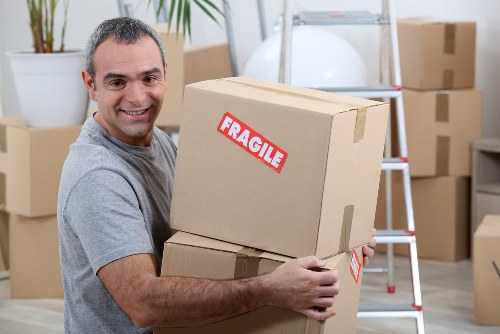 This health and safety policy sets out the standards expected from a professional removal company operating in Catford and surrounding areas. Its purpose is to protect employees, customers, contractors, visitors, and members of the public from preventable harm during packing, lifting, loading, transport, and unloading activities. We believe that safe working is not separate from efficient working; it is the foundation of reliable service. Every removal, whether small or large, should be planned with care, supervised properly, and completed in a way that reduces risk at every stage.
Our approach is based on identifying hazards early, putting practical controls in place, and reviewing those controls regularly. We recognise that moving furniture, appliances, and personal belongings can involve manual handling strain, trip hazards, sharp edges, unstable loads, and vehicle-related risks. For that reason, all staff are expected to work responsibly, communicate clearly, and follow agreed procedures. This applies equally to home moves, office relocations, and specialist removals that may involve fragile, heavy, or awkward items.
 As a responsible removals company in Catford, we are committed to maintaining a safe environment through planning, training, supervision, and continuous improvement. Safety is not treated as a separate task at the end of a job; it is built into the job from the beginning. We also expect clients and partners to cooperate with reasonable safety measures, including keeping access routes clear, reporting known hazards, and allowing enough space for safe handling.
All work activities are assessed for risk before they begin. This includes reviewing the property layout, the condition of stairs and flooring, the size and weight of items, parking and access arrangements, weather conditions, and any special requirements such as restricted entry points or delicate items. A site-specific risk assessment helps us decide what equipment, staffing levels, and methods are needed for a safe move. Where risk cannot be eliminated, it must be reduced as far as is reasonably practicable. Good planning prevents accidents and supports a calm, organised move.
Manual handling is one of the main hazards in the removal industry. Our teams are trained to use safe lifting techniques, work in pairs where needed, and make use of tools such as trolleys, straps, sliders, and protective covers. Heavy or bulky items are never lifted without considering weight, shape, balance, and route conditions. Staff are encouraged to stop and reassess if a lift feels unsafe. We also make sure workers take breaks when required, especially during long jobs or where repeated lifting is involved. This reduces fatigue and helps maintain attention.
 Vehicle safety is another key part of this policy. All vehicles used by the removal firm are maintained in a roadworthy condition and checked regularly for tyres, lights, load security, and general safety. Loads must be distributed correctly and secured so they do not shift during transit. Drivers are expected to follow road rules, drive within legal limits, and plan journeys in advance to reduce unnecessary pressure. Vehicles should be parked carefully to avoid blocking emergency access, pedestrian pathways, or neighbouring driveways. Safe transport is just as important as safe lifting.
Workplace conditions at collection and delivery points can change quickly, so our staff are trained to remain alert and adaptable. Common hazards include wet floors, poor lighting, narrow corridors, damaged steps, loose rugs, pets, and cluttered access routes. Where possible, these issues should be corrected before work starts. If not, the team must agree suitable controls, such as using warning signs, improving lighting, wearing appropriate footwear, or changing the order in which items are moved. We expect every operative to take responsibility for their own safety and the safety of others.
Personal protective equipment may be required depending on the nature of the job. This can include gloves, safety footwear, hi-vis clothing, and other protective items where relevant. PPE should be worn correctly and maintained in good condition. However, PPE is only one part of the overall control system and must not replace safe methods, proper training, or good housekeeping. Our supervisors ensure that equipment is suitable for the task and that workers understand when and how to use it. Any defective equipment must be removed from use immediately.
Training is essential to the safe operation of any removal company. All staff receive instruction in safe lifting, hazard awareness, emergency procedures, and the correct use of equipment and vehicles. Supervisors monitor standards and provide additional support where needed. New employees are not expected to work beyond their level of competence. We also encourage open communication so that concerns can be raised early. If a staff member feels unsure about a task, they must stop and ask for guidance. Safety depends on competence, confidence, and teamwork.
 Emergencies, accidents, and near misses are recorded and reviewed so that lessons can be learned. First aid arrangements are maintained, and staff are expected to know what to do if an injury or serious incident occurs. In the event of an emergency, work must stop if necessary and the area secured until it is safe to continue. Reporting is important because even minor incidents can reveal patterns that need attention. A proactive attitude to reporting helps us improve our systems and prevent repetition.
We also place importance on protecting customers’ property and personal wellbeing during the moving process. Furniture should be wrapped or padded where appropriate, floors and doorways protected when needed, and fragile items handled with extra care. Communication with the customer should remain respectful and clear so everyone understands the sequence of work and any constraints. A safe move is not only about preventing injury; it is also about ensuring belongings are handled responsibly and with professionalism. This careful approach supports both trust and operational quality.
Management responsibility is central to this policy. Directors, supervisors, and team leaders are expected to lead by example, provide the resources needed for safe work, and monitor compliance with procedures. They must ensure that risk assessments are completed, equipment is maintained, and staff are suitably trained. This policy will be reviewed regularly to reflect changes in legislation, working practices, or operational needs. We are committed to continuous improvement and to maintaining high standards across all removal operations.
 Every person involved in a removal must contribute to a safe working culture. That means following instructions, reporting hazards, respecting one another, and avoiding shortcuts that could cause harm. Our aim is to deliver a dependable service while protecting health, safety, and wellbeing at every step. By embedding careful planning, proper training, and disciplined working practices into each job, removal companies can reduce risk and deliver a service that is both efficient and safe.