Rushey Green and Brownhill Road removals access insider tips
Posted on 08/08/2026
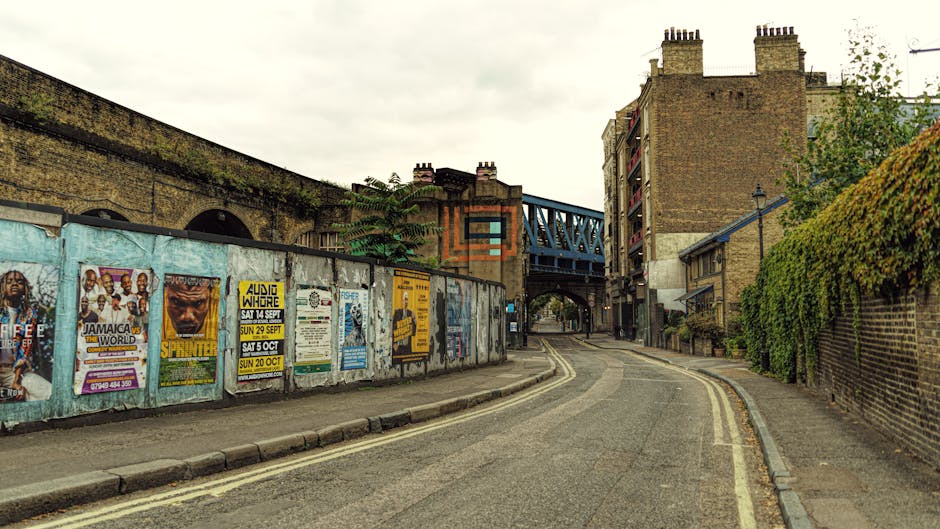
If you are planning a move around Catford, you already know the real challenge is not always the lifting. It is the access. Rushey Green and Brownhill Road removals access insider tips matter because these roads can turn an otherwise simple move into a slow, stop-start day if you do not plan for parking, turning space, loading distance, and neighbour access. A van can be booked in minutes; a smooth arrival takes a bit more thought. In this guide, we will walk through the practical details that make local removals easier, safer, and less stressful. Nothing flashy. Just the kind of advice that saves time, avoids awkward moments, and keeps the move moving.
Why Rushey Green and Brownhill Road removals access insider tips Matters
Local access is one of those things people only notice when it goes wrong. On roads like Rushey Green and Brownhill Road, the details matter: is there enough kerb space, can the van stop without blocking traffic, will the team need extra carry distance, and can two vehicles pass safely if one is parked close to the junction? These are not small issues. They shape the whole moving day.
For house moves, flat moves, and even small office relocations, access problems can add time and frustration very quickly. A crew that expected to park outside the property may end up shuttling boxes a long way. A narrow entrance might force furniture to be dismantled. A nearby bus stop or busy junction can complicate timing. And let's face it, nobody wants to carry a sofa through drizzle while half the street is watching.
That is why a good removals plan is not just about boxes and tape. It is about reading the street. In Catford, and especially around busy routes, smart planning often saves more money than last-minute heroics. If you need a broader sense of how the company positions its work, the services overview is a useful place to start, while the local about us page helps you understand the team behind the move.
Expert summary: the more constrained the street, the more valuable your prep becomes. Measure, confirm, and communicate early. That simple pattern prevents most local moving headaches.
How Rushey Green and Brownhill Road removals access insider tips Works
Think of access planning as a chain of small decisions. Each one affects the next. First, you identify where the vehicle can stop. Then you work out whether the load can be moved safely from property to van. After that, you decide whether the route needs a helper, a trolley, padding, extra packing, or a different vehicle size.
In practical terms, a removals team usually looks at five things:
- how close the van can get to the entrance
- whether the road allows safe loading without causing obstruction
- if there are tight corners, parked cars, or traffic pinch points
- how many floors, steps, or shared corridors are involved
- whether bulky items need dismantling before moving
On streets near Catford town centre, these considerations are often more important than distance on the map. A move of 400 metres can still be hard work if the access is awkward. That is why residents preparing for a flat move or house move often ask for a team that understands the local layout. If that sounds familiar, flat removals in Catford and house removals support are the kinds of services that fit these situations well.
There is also a timing element. School runs, commuter traffic, and delivery windows can all affect how easy it is to stop safely. On busy mornings, even the best-laid plan can wobble a bit. The answer is not panic. It is picking a sensible slot and building in a buffer.
Key Benefits and Practical Advantages
When access is planned properly, the benefits are immediate. The move feels calmer. The crew works more efficiently. Fragile items are handled with less rushing. And the risk of wasted time or awkward surprises drops noticeably.
- Faster loading and unloading: less walking means less time on the job and less strain on the team.
- Lower risk of damage: shorter carry distances reduce the chances of scraping furniture or dropping packed boxes.
- Better parking decisions: you are less likely to improvise on the day.
- Less stress for you: clearer planning means fewer calls, fewer delays, and fewer "where is the van?" moments.
- Better fit for the right vehicle: sometimes a man with a van is ideal, sometimes a larger van is needed, and sometimes a bigger removals setup is more efficient.
There is a commercial benefit too. If access is straightforward, you may not need to book more manpower than necessary. If access is tight, however, paying for an extra pair of hands or a more suitable vehicle can be worth it. That kind of decision is often cheaper than losing an hour on moving day. If you are comparing options, the pages for man with a van Catford and removal van options help frame that choice in a practical way.
Who This Is For and When It Makes Sense
This advice is for anyone moving near Rushey Green or Brownhill Road, but it is especially useful if you are dealing with one or more of the following:
- a flat above a shop or in a block with shared access
- limited kerb space outside the property
- a narrow entrance, small hallway, or awkward staircase
- busy traffic at the time you want to move
- bulky furniture, fragile items, or awkwardly shaped loads
- a same-day move where timing has to be tight
It also makes sense if you are a student moving into or out of local accommodation, or if you are moving an office and need to avoid disrupting staff, customers, or deliveries. For smaller loads, a student removals service or man and van support may be enough. For larger moves, especially with furniture or specialist items, a more complete removals setup is usually a better fit.
Truth be told, if you are asking yourself, "Will the van actually get close enough?", then this guide is for you. That question alone usually means access deserves a proper look.
Step-by-Step Guidance
Here is the simplest way to approach a local move on busy Catford roads without overcomplicating things.
- Survey the property access early. Walk from the front door to the nearest realistic stopping point. Look for steps, rails, bollards, bends, parked cars, and low branches. If you can, do it at roughly the time of day you expect the move to happen.
- Measure the awkward items. Sofas, wardrobes, beds, mirrors, and pianos are the usual troublemakers. If they cannot turn easily in the hallway, they may need dismantling or specialist handling.
- Decide what type of vehicle fits the street. A narrow road with tight kerb space may suit a smaller van or a flexible man and van arrangement. A full household move may need a larger vehicle and more crew coordination.
- Choose the loading sequence. Put the hardest-to-move items near the door before moving day. It sounds obvious, but people often leave the biggest job until last. That always feels worse.
- Confirm timing around traffic. Avoid predictable pinch points where possible. A 15-minute shift in start time can make a real difference.
- Protect floors, corners, and shared areas. Stairwells and communal hallways on tighter streets can take a beating if no one is careful.
- Keep contact details close. If the crew cannot stop exactly where planned, quick communication saves time.
For particularly tight access situations, local context matters. Articles such as this guide to tight-access Catford moves and timing and parking tips near Catford Bridge Station are useful companion reads because they reflect the same kind of planning mindset.
Expert Tips for Better Results
The best insider tips are usually not dramatic. They are small, repeatable, and annoyingly effective.
First, use the street itself as a checklist. Stand outside the property and ask: where would a vehicle naturally pause, where would pedestrians walk, and what would become difficult if a van were present? That quick visual scan often reveals more than a written address ever will.
Second, pre-pack with access in mind. If the hallway is narrow, avoid oversized box builds that wobble when carried. Use stable, medium-sized boxes instead. It is a boring recommendation, but it works.
Third, dismantle before the pressure starts. Bed frames, table legs, and shelving units are easier to manage in daylight and before the clock starts ticking. Once the van arrives, everyone suddenly gets busy. Funny how that happens.
Fourth, protect the route. In wet weather, shared corridors and steps become slippery. Good teams think about grip, door protection, and floor covering as standard practice. If you are booking a move with valuables or heavy items, the insurance and safety information is worth reading because it shows how a professional provider thinks about risk.
Fifth, ask about sustainability where possible. If a move produces usable packing materials or unwanted items, it is worth considering recycling and reuse rather than sending everything to waste. The recycling and sustainability page is relevant if that matters to you, and increasingly it does for many households.
Sixth, do not forget the small stuff. Door buzzers, access codes, lift reservations, neighbour courtesy, and key handover timing can all affect the day. A move is rarely ruined by one huge failure. It is usually several tiny snags adding up.

Common Mistakes to Avoid
A lot of moving stress comes from avoidable assumptions. Here are the ones we see most often.
- Assuming the van can park directly outside. Streets look simpler online than they do in real life.
- Underestimating carry distance. Fifty extra metres sounds minor until you are moving a washing machine.
- Booking the wrong vehicle size. Too small means extra trips; too big may be awkward or harder to place safely.
- Leaving packing too late. Loose items slow the team down and increase the chance of damage.
- Forgetting shared access rules. Flats, estates, and commercial buildings often have expectations about noise, lift use, or loading areas.
- Not checking item width and height. A sofa that fits in the living room may not fit around a corner.
One more: do not treat the quote as purely a price comparison. A low figure can look great until it turns out the access assumptions were optimistic. If you want a clearer picture of how costs are shaped, pricing and quotes explains the kind of factors that should be discussed upfront.
Tools, Resources and Recommendations
You do not need a toolbox full of specialist kit, but a few practical items make local moves easier.
- Measuring tape: useful for door widths, stair turns, and furniture clearances.
- Marker pens and labels: keep rooms and priority items clear.
- Bubble wrap and blankets: especially helpful for awkward routes and tight corners.
- Furniture tools: basic screwdrivers, hex keys, and bags for fixings.
- Grip gloves: ideal for damp weather or heavy items.
- Protective floor covering: useful in communal hallways or freshly cleaned homes.
For packing support, the packing and boxes Catford page can help you think through what materials are appropriate. If you are moving a special item like a piano, it is not just another box on legs, despite what the optimistic cousin may say after tea. Specialist piano removals are a better fit for those jobs.
For more complex moves, it can also make sense to compare removal services in Catford with a simple van-only option. That comparison helps you match the service to the access constraints instead of choosing by habit.
Law, Compliance, Standards and Best Practice
For removals, compliance is mostly about acting responsibly and safely. You do not need a legal lecture at the front door, but you do need good practice.
In the UK, movers and customers should think carefully about road safety, parking restrictions, pedestrian access, safe lifting, and property protection. If a vehicle must stop on a busy road, it should do so in a way that is as safe and short-lived as possible. If communal areas are involved, care should be taken to avoid damage and disturbance. In buildings with shared access, following reasonable instructions from the property manager or landlord is usually the sensible route.
From an operational point of view, a professional removals provider should also be clear about terms, security, and insurance. That does not mean every move is risk-free. It means risks are identified early and handled with normal industry care. If you want to review the company's approach to these matters, the terms and conditions, payment and security, and health and safety policy pages are the relevant reference points.
Practical note: if anything about the access feels uncertain, say so early. Professional teams can plan around uncertainty. They struggle far more when they are told "it should be fine" and then meet a locked gate, a tight bend, or a van-sized problem.
Options, Methods, or Comparison Table
Different moves need different approaches. The table below gives a simple comparison of common options for local removals access.
| Option | Best for | Strengths | Watch-outs |
|---|---|---|---|
| Man with a van | Smaller loads, short local jobs, flexible timing | Quick, practical, often easier on tighter streets | Limited capacity for larger houses or multiple bulky items |
| Man and van | Moves needing a bit more help without going full-scale | Good balance of flexibility and labour | May still be tight if access is especially awkward |
| Full removals service | House moves, larger flats, furniture-heavy relocations | More planning, more hands, better for complex access | Costs more, so you want the job to justify it |
| Same-day removals | Urgent or unexpected moves | Fast response when time is short | Less room for detailed planning, so access must be explained clearly |
If you are stuck between options, start with the access problem first, not the vehicle. That one shift in thinking usually gives a better result. For urgent situations, the same-day removals Catford page is the obvious fit.
Case Study or Real-World Example
A typical example: a second-floor flat move near Rushey Green where the nearest safe stopping point is not directly outside the entrance, but a little way down the road. The residents had a sofa, a bed frame, several boxes of books, and a mirror that everyone was slightly nervous about. Nothing unusual there.
The move went well because the access was handled in advance. The team was told about the stairwell width, the limited kerb space, and the heavier items. The bed frame was dismantled before the van arrived. The mirror was wrapped properly. Boxes were labelled by room. And because the vehicle was chosen with the street in mind, there was no scramble for last-minute parking.
The interesting part was not that everything was perfect. It wasn't. There was a brief pause when another car blocked part of the loading area. But because the timing had a buffer, the delay stayed small. That is the real lesson: local access planning is about reducing the impact of the unexpected, not pretending the unexpected never happens.
For customers considering moving into or around Catford, that same mindset also applies to property timing and neighbourhood context. The local blog posts on living in Catford, property purchases, and Catford real estate decisions can give a broader picture of why planning around access is part of moving smartly, not just moving cheaply.
Practical Checklist
Use this before moving day. Print it, screenshot it, scribble on it. Whatever works.
- Confirm the full address and exact entrance to be used
- Check whether parking or loading space is realistic near the property
- Measure the largest furniture items
- Identify stairs, lifts, gates, and narrow corridors
- Ask whether the move requires dismantling
- Label boxes by room and priority
- Prepare items you will need immediately after arrival
- Protect floors and doorframes in advance where possible
- Keep keys, access codes, and contact numbers ready
- Share any access concerns with the removals team before the day
If you are moving a busy household, a student flat, or an office with time pressure, this checklist saves real energy. A slightly dull process is still better than a chaotic one. Every time.
Conclusion
Rushey Green and Brownhill Road removals access insider tips come down to one thing: respect the street. The roads, the traffic, the parking, the shared entrances, the turning space, the timing. Once you treat those as part of the move, not an afterthought, everything becomes easier to manage.
That does not mean every move will be effortless. Some will still involve awkward corners, damp weather, or a neighbour politely asking you to move the van a little further on. But with the right prep, those moments stay manageable instead of spiralling. And honestly, that is what a good local move should feel like: calm enough to breathe, organised enough to finish, and flexible enough to handle the odd surprise.
If you are planning a move in or around Catford, take a minute to get the access details straight before anything else. It is a small effort with a big payoff, and it usually sets the whole day up for success.
Get a free quote today and see how much you can save.
For a friendly next step, you can always start by reviewing the broader removals Catford page or exploring the company's wider removal companies Catford information. Small choices now can make move day feel far less heavy.