
Catford Bridge Station removals timing and parking tips
Posted on 15/07/2026
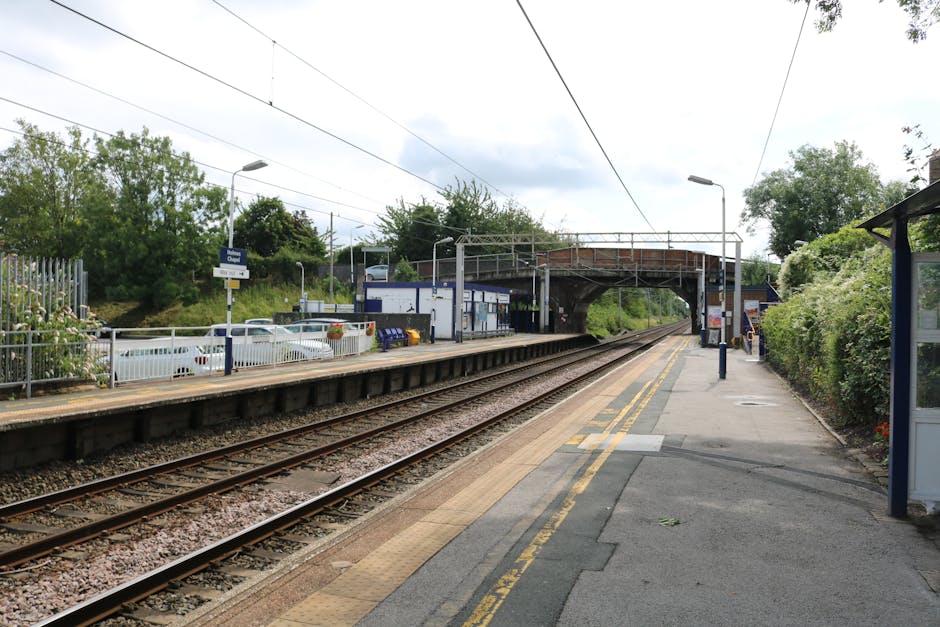
Catford Bridge Station removals timing and parking tips: a local moving guide that actually helps
If you are planning a move near Catford Bridge Station, the difference between a calm moving day and a frazzled one often comes down to two things: timing and parking. That is really the heart of Catford Bridge Station removals timing and parking tips. The roads around the station can feel busy, the footfall changes through the day, and a van that arrives at the wrong moment can end up circling, waiting, or blocking access when you least want it to. A bit of planning goes a long way. In this guide, we will walk through what to expect, how to schedule your move, where the common parking headaches come from, and how to avoid the usual mistakes that turn a straightforward job into a long afternoon.
Whether you are moving out of a flat, shifting furniture, or coordinating a larger house move, the goal is simple: make the load-in and load-out as clean as possible. And, to be fair, that is easier said than done in a busy London spot. But it can be done.
Why Catford Bridge Station removals timing and parking tips Matters
Near a station, time is not just time. It is traffic flow, loading space, pavement congestion, and the mood of the whole street at that hour. Around Catford Bridge, the station area can become noticeably busier when commuters are arriving or leaving, school-run traffic overlaps with local movement, and delivery vehicles compete for the same patch of kerb space. That matters for removals because a van that cannot stop safely and close to the property slows everything down. You may only think you are losing ten minutes, but that can easily become thirty once boxes are being carried further and further.
Timing also affects your neighbours. If your move starts before the street has properly woken up, you can reduce disruption and make it easier to find a temporary stopping position. If you arrive at the peak of the rush, everyone feels it. The horn. The waiting. The awkward shuffle with a sofa through tight space. Nobody enjoys that.
There is also a safety angle. Good timing reduces rushed lifting, awkward parking manoeuvres, and the temptation to leave items on the pavement while the driver moves the van. That is not a small thing. It protects your belongings, the removal team, and people walking past. If you are arranging a move as part of a larger home transition, it is worth looking at house removals in Catford and, if you are dealing with a smaller place or a staircase-heavy building, flat removals can offer a more suitable approach.
In our experience, the jobs that go best are rarely the most glamorous. They are the ones where someone thought ahead about where the van would sit, how long access would take, and what time the street was likely to be easiest. Simple, but powerful.
How Catford Bridge Station removals timing and parking tips Works
The process is basically about matching the move to the street, not just the calendar. You are trying to line up access, manpower, and traffic conditions so the removals team can work in one clean flow. Here is how that usually plays out in practice.
1) Choose the right time window
A morning slot often works best for station-adjacent moves because you start before the day becomes too fragmented. Early starts can mean easier kerbside access, quieter pavements, and less competition from commuters, tradespeople, and food deliveries. That said, an early start should still be realistic for everyone involved. If keys are not ready until later, you do not gain much from turning up too soon. A good moving plan respects both the street and the property handover.
2) Check the parking picture before moving day
Parking near a station is rarely a matter of "turn up and stop." You need to think about whether the van can pull in close enough, whether there are restrictions at certain times, and whether the property frontage allows a safe loading position. Even when a space looks available, it may not be suitable for a long vehicle or for repeated loading. A route that seems fine on foot may be awkward for a removal van. That is where local experience really helps.
3) Build in a little buffer
Buffers are underrated. If your parking plan fails by ten minutes, a job that felt tight but manageable can become frantic. Add time for key collection, last-minute boxes, stair carries, and the occasional parking change. Truth be told, most moves need at least one small adjustment somewhere. It is normal, not a disaster.
4) Keep the load path short and clear
The distance between front door and van matters more than people think. Ten metres may not sound like much until you are carrying a washing machine. Shorter load paths save your back, reduce handling, and keep the move moving. If you are dealing with bulky items, it can help to review furniture removals Catford or, for delicate instruments, piano removals Catford should be handled with extra care and planning.
Key Benefits and Practical Advantages
Good timing and parking strategy create a ripple effect. You are not just making parking easier. You are making the whole move cheaper, calmer, and less physically demanding.
- Faster loading and unloading: the closer the van can get, the fewer carry trips you need.
- Lower stress: fewer parking changes means fewer interruptions and less last-minute improvising.
- Better protection for items: shorter carrying distances reduce the chance of knocks and scrapes.
- Less disruption for neighbours: a tidy, efficient move is simply less intrusive.
- More predictable costs: time lost to parking problems often becomes labour time.
There is another benefit people sometimes miss: a tidy removal plan is easier to coordinate with building access, lift booking, or keys that arrive later in the day. If you are also comparing moving support options, the broader services overview can help you see which type of assistance fits your move best, while pricing and quotes is useful if you want to understand how access and timing affect the overall cost.
Expert summary: The best removals near Catford Bridge Station are not the ones with the biggest van or the most boxes. They are the ones where access, timing, and parking are treated as part of the job, not an afterthought.
Who This Is For and When It Makes Sense
This advice is especially useful if you are moving within walking distance of Catford Bridge Station, or if your property is on a road where parking is tight, shared, or time-limited. It is also a good fit if you are moving on a weekday, because weekday traffic patterns can be a bit less forgiving than people expect. Sounds obvious, but the most stressful moves are often the ones where nobody imagined the street would be that busy at 8:30 in the morning.
It makes sense for:
- tenants moving in or out of flats near the station
- homeowners arranging a full property move
- students relocating with a limited amount of furniture
- small businesses shifting office equipment nearby
- anyone using a smaller vehicle or a man and van setup
If your move is light and quick, a man and van in Catford or man with a van Catford option may be enough. If you have more to move, a removal van Catford or full removal services Catford setup can be the more sensible choice. And for last-minute situations where timing is already tight, same day removals Catford can sometimes be the practical fallback, provided access can still be managed safely.
So, who really benefits most? Anyone who wants fewer surprises. Honestly, that covers most people moving house.
Step-by-Step Guidance
Here is a straightforward way to plan your move near Catford Bridge Station without overcomplicating it.
- Map the property access: note the entrance, any stairs, gate widths, lift access, and where the van could stop.
- Pick a sensible moving window: aim for the quietest practical period, usually earlier in the day if your schedule allows.
- Check parking conditions in advance: look at bays, yellow lines, nearby restrictions, and whether a loading stop is realistically possible.
- Decide who will be present: someone should be ready at both the property and the van if items are being carried through shared access.
- Prepare the load: boxes sealed, fragile items marked, large furniture dismantled where appropriate.
- Reserve breathing room: add time for keys, delays, and those awkward little moments where the mattress simply will not turn the corner.
- Keep essentials separate: documents, charger, kettle bits, a change of clothes, and any medication should be kept to hand.
- Confirm the final plan before the day: check arrival time, contact details, and any special access notes.
If your move involves packing from scratch, the packing and boxes Catford page is a helpful starting point for the materials side of things. If storage is part of the plan because your keys do not line up perfectly, storage Catford may save you from a rushed compromise.
Expert Tips for Better Results
Little decisions make a big difference around the station area. A few practical habits can save you a great deal of friction.
Use a quiet arrival window where possible
If you have any flexibility, avoid arriving at the exact moment commuter movement is at its busiest. Even a thirty-minute shift can make a real difference. You do not need a perfect science here. Just a slightly smarter window.
Think about the van's turning space, not just the parking space
People often fixate on whether a van can stop. But can it also leave safely? Can it turn without a complicated reverse? A move that starts with a complicated manoeuvre usually ends with everyone feeling slightly tense. No need for that.
Pre-stage the property
Put boxes near the exit, clear walkways, and separate fragile items from the general load. If possible, keep one room as a staging area. It makes the packing rhythm smoother and stops the move becoming a scavenger hunt halfway through.
Label for speed, not decoration
Use clear labels such as "kitchen," "bedroom," or "fragile." Fancy colour coding is fine, but the main thing is that the team can see what belongs where at a glance. That matters when time and parking are both tight.
Have a plan for awkward items
Large wardrobes, mirrors, exercise equipment, and pianos need more than brute strength. They need route planning. If something is awkward, say so early. The best removal teams appreciate honesty because it helps them prepare the right equipment and enough hands.
One small tip that people forget: keep a towel or old cloth nearby for muddy shoes on wet mornings. Catford weather can be unremarkable right up until the one morning you are carrying boxes, of course.
Common Mistakes to Avoid
The same problems show up again and again on removals near stations. Once you know them, they are fairly easy to dodge.
- Assuming parking will work itself out: if a van cannot stop safely, everything slows down.
- Starting too late in the day: the street can become busier and more awkward to work in.
- Underestimating carry distances: a space that looks "near enough" may not be near enough once you are carrying heavy items.
- Forgetting building access rules: some flats, managed buildings, and shared entrances need extra coordination.
- Not checking item dimensions: a sofa that fits the room may not fit the stairwell in one piece.
- Leaving packing to the final evening: this is where stress multiplies very quickly.
A smaller but common mistake is not telling the removals team about tight roads or unusual access until they arrive. That feels harmless when you are in a rush, but it can seriously change how the day unfolds. If your route is especially narrow or the area around the station is awkward, local guidance such as Catford Broadway removals local guide for tight access and removals near Catford landmark moving tips can give you a better feel for access planning nearby.
Tools, Resources and Recommendations
You do not need a complicated toolkit. What you need is a practical one.
- Measuring tape: for doors, stair turns, and furniture dimensions.
- Masking tape and marker pens: useful for clear box labelling.
- Furniture blankets and covers: especially helpful for longer carry routes.
- Plenty of boxes: mixed box sizes make packing easier and safer.
- Basic toolkit: screwdrivers, Allen keys, and a small bag for fittings.
- Phone notes: keep access details, arrival times, and contact numbers in one place.
For a more complete move, it can be sensible to compare removal companies Catford with the simpler removals Catford option, depending on how much handling support you need. If you are moving office equipment rather than household furniture, office removals Catford is the more relevant service type to consider. And if you want a broader picture of how the business works, about us gives a useful sense of the company's approach.
Law, Compliance, Standards, or Best Practice
Because parking and moving involve public space, you should always work within local restrictions and follow safe loading practice. That means not blocking access, not leaving vehicles in unsafe positions, and not making assumptions about stopping rules just because a space looks empty. Councils and local enforcement can vary in how they manage streets around busy transport points, so if you are unsure, treat caution as the default. It is better to spend five minutes checking than to spend the day undoing a parking problem.
From a removals perspective, good practice usually includes:
- keeping access routes clear for pedestrians
- avoiding unsafe lifting or carrying shortcuts
- using proper equipment for heavy or awkward items
- communicating clearly between driver, movers, and customer
- planning around any building-specific access requirements
If the job becomes more complex, you may also want to look at safety and service information such as health and safety policy and insurance and safety. Those pages matter because a well-run move is not just about speed. It is about reducing avoidable risk for everyone involved. That is the sensible standard, really.
Options, Methods, or Comparison Table
Not every move near Catford Bridge Station needs the same setup. The best method depends on how much you are moving, how tight the access is, and how much time you have.
| Method | Best for | Strengths | Watch-outs |
|---|---|---|---|
| Man and van | Smaller moves, single-room contents, light furniture | Flexible, usually quicker to organise, good for short-notice jobs | May be less suitable for larger or more complex loads |
| Removal van with full support | House moves, larger furniture, fuller loads | Better for volume, better planned handling, more efficient for bulky items | Needs more attention to access and timing |
| Storage-first move | Delayed keys, renovation gaps, phased moving plans | Reduces pressure on moving day, gives breathing room | Needs extra planning and double handling |
| Same-day move | Urgent relocations or late changes | Fast response, helpful when plans shift suddenly | Less margin for parking mistakes or access delays |
As a rule, the more constrained the access, the more important it becomes to choose the right vehicle size and arrival window. A small team with a smart plan often outperforms a larger team that arrives at the wrong time. Strange, but true.
Case Study or Real-World Example
A typical local scenario goes like this. A couple moving out of a second-floor flat near Catford Bridge Station had their keys at 9:30 a.m. and initially wanted the van to arrive just after that. On paper, it sounded fine. But once they looked at the street, they realised the area would be much busier by then, especially with commuter movement and early deliveries.
So they shifted the plan. The removals team arrived slightly earlier, parked in the most practical available position, and the couple had already staged the lighter boxes by the door. One person handled the keys and building access. Another kept the walkways clear. Nothing dramatic happened. No panicked reshuffling. No endless circling for a parking space. The move still took effort, of course, because moves do, but it stayed calm and organised.
That is the pattern worth copying. Not perfection. Just fewer points of friction. And that makes a surprisingly large difference when you are tired, watching the clock, and trying not to lose the tape dispenser under a pile of duvet covers.
Practical Checklist
Use this simple checklist before moving day:
- Confirm the exact moving date and access time.
- Decide whether morning, midday, or afternoon parking is most realistic.
- Check where the van can safely stop near the property.
- Measure large furniture and any narrow doorways or stair turns.
- Pack and label boxes before the day, not during it.
- Set aside essentials for the first night.
- Tell the removals team about any tight access, steep stairs, or awkward entrances.
- Keep stairwells, hallways, and front paths clear.
- Have keys, contact details, and building instructions ready.
- Build in a time buffer for traffic, parking, and small delays.
If you are still comparing options, it can help to review removal services Catford and, if you want a lighter-touch move, man with a van Catford again to see which approach better matches your load and budget.
Conclusion
Moving near Catford Bridge Station does not have to feel like a battle with the street. With the right timing, sensible parking choices, and a realistic plan for access, you can keep the day moving smoothly and reduce a lot of avoidable stress. The best advice is usually the least dramatic: start at a sensible time, keep the load path short, check the parking position in advance, and do not leave the awkward details until the van has already arrived.
That is the real value of Catford Bridge Station removals timing and parking tips. It is not about making the move fancy. It is about making it work. And once the last box is inside, the street noise fades a bit, the kettle is found, and you get that first quiet minute in a new place, it all feels worth it.
Get a free quote today and see how much you can save.

